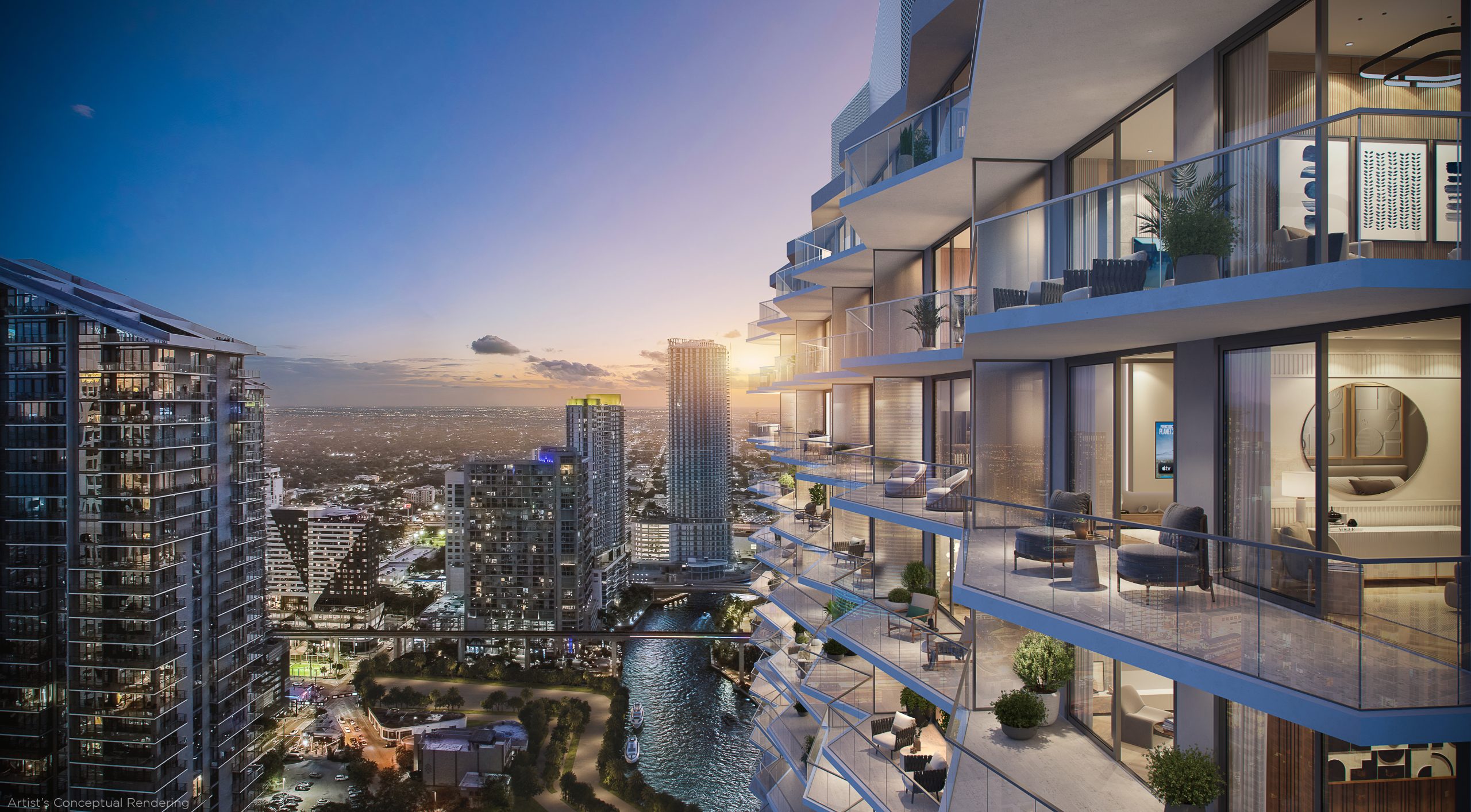
The recent delivery of Viceroy Brickell marks a significant milestone in the evolution of Miami’s urban core. As the first residential project under the Viceroy Hotels and Resorts brand in this corridor, it offers a fascinating case study in how brand power is being used to redefine the entry point for luxury in 2026.
However, as I walked through the tower this week, I was struck by a compelling economic tension that every modern investor must reconcile. This is the choice between Branded Density and Traditional Utility.
The Rise of the Luxe Studio Segment
Viceroy is leaning into a very specific market segment. With studios priced in the mid 600,000s, the building is positioning itself not just as housing but as a high performance hospitality asset. The finishes including Meyer Davis interiors and Bosch and Fisher and Paykel appliances are undeniably top tier.
For the sophisticated buyer, the math presents a paradox. At approximately 1,350 dollars per square foot, a Viceroy studio represents a significant premium. In today’s Brickell market, that same capital of 650,000 dollars can often secure a legacy two bedroom residence in a non branded building.
Branded Value vs Physical Scale
In my doctoral research at Florida International University, I look at Intangible Residual Value. The question is not just what is this worth today but what makes this brand hold its premium in ten years.
Viceroy’s strength lies in its Service Economy. The 14th floor amenity deck featuring the F1 simulator and curated art collection is designed to compensate for the smaller private footprint with expansive social square footage.
For a developer like Related Group, the goal is to create a vibrant and high energy environment for the global traveler. From a pure residential utility standpoint, we have to ask important questions:
Does the concierge driven lifestyle outweigh the need for a second bedroom?
Is the Brand Shield enough to protect a 500 square foot asset during a supply surge?
The Strategic Pivot for 2026
Rather than seeing this as a disappointment, I see it as Market Segmentation.
The Viceroy Buyer is likely an international professional or investor looking for a turnkey lifestyle where the brand does the heavy lifting of management.
The Utility Buyer is someone looking for a home office or more livable equity who is willing to sacrifice the Viceroy logo for a guest room.
As we see more ultra luxury brands like Baccarat and St. Regis rise nearby, the competition for Brand Alpha will only intensify. My takeaway from the Viceroy delivery is that we are entering an era of Extreme Differentiation. You are not just buying a condo. You are choosing which ecosystem you want to live in.
Final Reflections
Related Group has successfully delivered a sleek and hotel standard product to the heart of Brickell. The challenge for us as advisors and researchers is to help our clients determine if that specific Brand DNA fits their long term portfolio needs or if the utility market still offers a more grounded return on investment.
In 2026, the most expensive luxury is no longer just the marble on the counters. It is the space itself.
0 Comments